There are plenty of ways to give new life to your home through lighting design; however, there are also a few common mistakes that can keep your lighting from truly making your home shine.
It’s not uncommon for homeowners to revamp their lighting design only to feel like something is missing in the end.
If there appears to be a void or a piece missing in your home’s lighting design, here are five common lighting mistakes you may be making:
1. No Control Over Your Lights
It may sound simple, but light dimmers, motion sensors, timers and automated systems all help you stay in control of your lighting. When you’re unsure if the room is too dark or too bright, dimmers help you test and easily solve the problem with the perfect middle ground. Moods and uses of rooms change, and so should your lighting. Additionally, having better control of your lights will help you save on energy bills.
2. Light Fixture is Not the Right Size
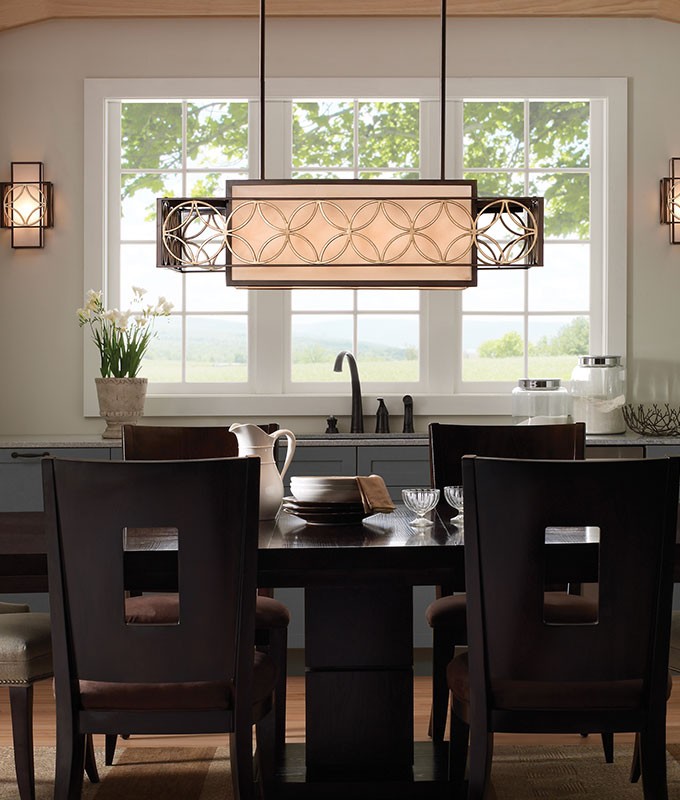
Another common mistake in home lighting design is using the wrong size fixture. For example, when homeowners use too small of a chandelier in the dining room or bulky desk lamps in the living room, everything can seem disproportionate.
The best way to prevent buying irregular fixtures is by measuring them in the showroom. Eyeballing is tough in showrooms because fixtures tend to look smaller in the larger space of the room. Our professional staff will easily be able to assist you in ensuring you’re picking the right fixture for your space.
3. Wall Paint Colors Don’t Match the Fixture
When you try multiple different lighting fixtures in a single room, but still can’t find the right light, it’s likely due to the paint color on your wall. Even though this might seem obvious, slightly different hues in the lighting fixture and the color of paint can do different things. Usually, lighter colors work better with brighter, statement fixtures.
4. There’s Too Much Furniture in the Room
While having too much furniture in a room seems like it has little to do with lighting, it actually makes all the difference. In fact, the color and abundance of furniture can dictate the brightness of a fixture by having certain colors or items to bounce off. The more items there are, the more likely it is that your light will create shadows. With fewer items and brighter colored furniture, the light will bounce off efficiently, illuminating the room.
5. Not Using Energy-efficient Bulbs
Homeowners are still slowly adopting new LED light bulbs, but these bulbs actually provide you with a better range of light. LEDs work off a larger temperature scale, which allows you to get the perfect color of light.
Need help with your lighting plans and updates? Stop in to the showroom, we’ll be happy to walk you through your options. And if you’ve found something you love online, we’ll match the price! (Exceptions may apply.)

.aspx "Progress Lighting, a Division of Hubbell")

