Category: Lighting Tips

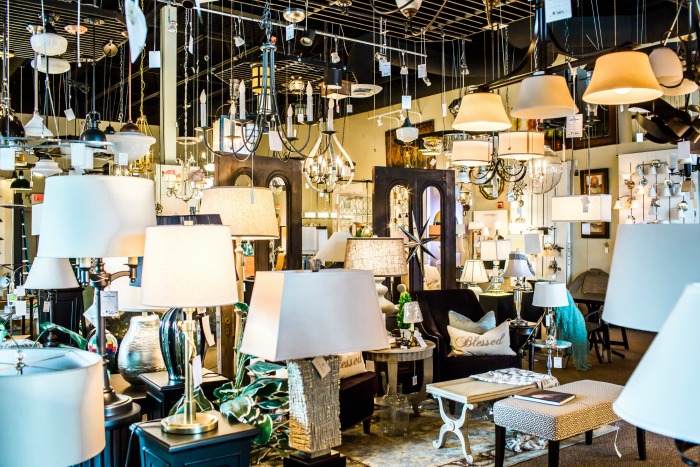
  • A Case for the Local Lighting Showroom

    A Case for the Local Lighting Showroom

    Creative Lighting Designs Showroom
    Creative Lighting Designs Showroom

    We as lighting designers are driven by the desire to provide better lighting for everyone. Whether you are considering lighting for a single piece of artwork, a room in your home, an entire estate, or a commercial high rise – a lighting designer can provide the knowledge and understanding that will save you time and money.

    Many think that it is more convenient to shop online.  This is true for household necessities like toilet paper, pantry items and things like books.  They’re easy purchases, where you can see all the details in the description.  What you see is what you get, and it’s much easier when you don’t have to leave the house!

    However, when it comes to quality lighting for your home, it is difficult to make that decision from your sofa.  There are so many variables!  Gauging the size of the fixture and choosing a finish can feel like a shot in the dark when all you have to choose from is tiny photos on a website.  And, it’s hard to know how the fixtures will work in your home since your ceiling height, room size and even paint color can have a huge impact on how it looks once installed!

    This is why it’s a better choice to stop in and visit your local lighting showroom.  Lighting professionals are happy to walk you through the many options available.  Many, like our team at Creative Lighting Designs, will even come out to your home to take a look at your project and give you firsthand advice on your best options.  We are passionate about lighting, and we have the knowledge and expertise to outfit your home with the best lighting out there.  And, if there’s ever a problem with your order, you will be speaking with someone that chances are, you have met and not some faceless person from a 1-800 number.

    One final point is that Internet Minimum Allowable Price (IMAP) policies have leveled the playing field on prices at both lighting showrooms and internet retailers.  You may be surprised to find that the pricing at your local showroom is even less than the price online-and you won’t have to worry about broken fixtures and return fees.

    Have questions? We offer a free lighting consultation.  Call us at 603-448-2066 or stop in to our showroom!

    And don’t forget, join our email list to receive a 10% off coupon!
  • You CAN have Recessed Lighting in your Older Home!

    You CAN have Recessed Lighting in your Older Home!

    If you have an older home, you may feel as though you never have enough light.  Wouldn’t it be great to add recessed lighting? Until recently, adding them to an older home required large insulating cans to be placed in the ceiling.  This made recessed lighting nearly impossible to add to a remodel when you had no access to the ceiling space above.

    Now, there are shallow recessed lights available from DALS Lighting!  We are very excited to carry these lights because:

    *They come in a variety of sizes and trim colors

    *There is a wet location version for showers

    *They have a super low energy usage (9 watts instead of 75 watts)

    *They’re Affordable

    *They’re LED

    Screen Shot 2016-08-31 at 10.36.36 AM

    If you can cut a hole in the ceiling, you can install these lights!  Stop in soon and check them out-we’re the only showroom with these lights in our area!

    *Join our email list and receive 10% off your first purchase!*  

  • Why the Right Lighting Matters

    Why the Right Lighting Matters

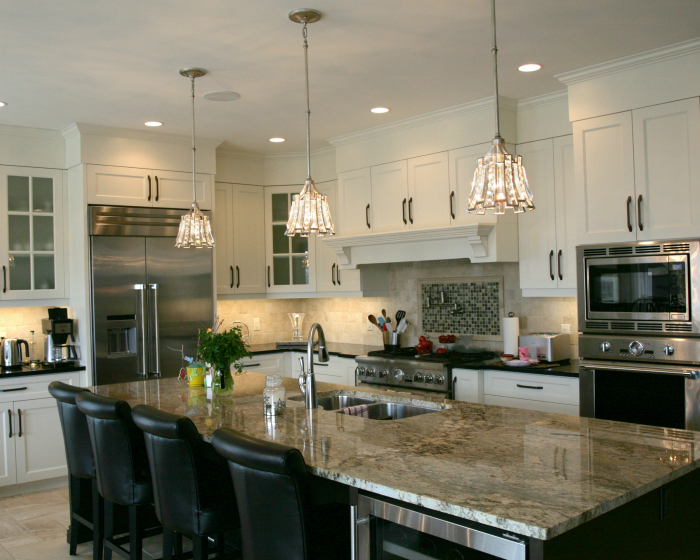
    Soros-Pen-Island

    Many homeowners don’t realize just how significant a role lighting plays in the look and feel of every room in a home.

    While it should be a primary concern, lighting is often a last-minute addition to an otherwise carefully calculated home design.

    Lighting can make or break a perfectly coordinated room. The beauty of your furniture, the style of the art on the walls and the sleekness of your floors and counters won’t matter if the lighting design does not highlight everything in the proper way.

    It is key homeowners recognize that lighting serves a far greater purpose than simply allowing us to see when it’s dark outside. Lighting has a profound effect on the mood and function of any room, and it can determine how the area is perceived by those within it.

    People have no desire to spend time in poorly lit spaces. They may not necessarily realize why they prefer one area of a home over another, but lighting tends to play a key role. Rooms that create uncomfortable glares or are too dark will cause melancholy moods. They can also cause people to strain their eyes, leading to uncomfortable headaches.

    A well-lit room, on the other hand, will do the opposite. Good lighting can enhance people’s moods and contribute to happier, healthier vibes throughout your home.

    How lighting changes a space 
    There are so many ways that light will change a space, including how large or small it feels, the function it serves, as well as its mood and depth.

    When it comes to size, light can be used to make a large room feel smaller and cozier, or a small room feel less confined. Darker rooms typically feel more cramped, so using a lighting effect, such as directional recessed spot lighting to reflect off the walls and make them brighter will add a feeling of openness to a small space. Additionally, you can use multiple circuits to break up a larger space.

    Rooms that are designated for specific tasks, like reading, doing homework or cooking, should include task lighting over the area. You can also use spot lighting to highlight a specific element in a room, like a work of art or an especially beautiful piece of furniture.

    The best rooms, however, involve multiple types of lighting that create a layering effect. This gives the room depth.

    Layering and depth
    Layering involves utilizing not only a variety of lighting types, but also a variety of fixtures. You can create a beautifully textured lighting scheme when you use a combination of lamps, recessed lighting, wall-mounted lights and more. All of this will contribute to the personality of the room.

    Once you gain an understanding of exactly what kind of light each fixture gives off, you will be able to create the precise atmosphere you desire. When experimenting with lighting design, you also have to remember that light creates shadows and reflections. These can also contribute strongly to the design of a room. When choosing a type of lighting, make sure to consider the type of shadow it casts and whether it will be a positive or negative addition to a room.

    Have questions?  We offer a free lighting consultation!  Call us at 603-448-2066 or stop in today!

    Join our email list to receive a 10% off coupon!  

  • Better Homes & Gardens Lighting Magazine is Here!

    Better Homes & Gardens Lighting Magazine is Here!

    The only national consumer magazine on residential lighting has arrived!

    We are so proud to have had a hand in the creation of the 2016 Better Homes & Gardens Lighting Magazine!  Brian and Lois sat down with editors and created original content to help the consumer make smart, stylish choices for their home lighting.

    CLDBlog

    The 120-page special interest publication features the latest in lighting for every room in your home. In it, you will learn about new advances in lighting technology and all the best tips for getting the right light. Additionally, you will receive information about home lighting from American Lighting Association members and learn how products from the leading lighting manufacturers can dramatically transform any space.

    We have copies available at our showroom-please drop in and grab one!

  • Boost Your Property Value with the Right Lighting

    Boost Your Property Value with the Right Lighting

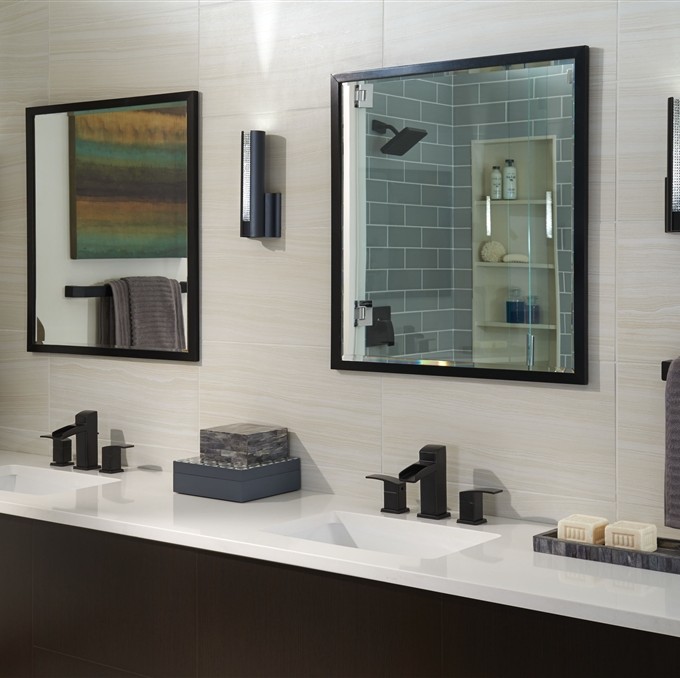
    Masterbath
    Gorgeous master bath with lighting by LBL Lighting.

    The lighting design in your home could have a profound effect on the property’s appeal to potential buyers.  While this may seem surprising, something as simple as the right lighting can improve both the value and attractiveness of your home.

    How interior lighting impacts property value

    Homes with outdated light fixtures or ones that are falling apart will, not surprisingly, be less appealing to buyers. When buyers walk through a home and see dated fixtures, what they really see is more renovation costs. New home buyers are typically stressed enough with the idea of saving for a down payment, anticipating closing costs and making monthly mortgage payments that the prospect of moving in and immediately having to begin renovations can be too much to handle. Updating your home’s lighting will give them one less thing to worry about and make them more willing to extend an offer – and one at list price.

    Because energy efficiency has become so highly valued in recent years, it will be beneficial to make sure all of the lighting in your home is compatible with LEDs. Fluorescent tube lighting may still be a fixture in some older homes, and while it is in fact energy efficient, it can be an eyesore. Removing that tube lighting and replacing it with an LED fixture is bound to make your home easier to sell. A well-lit home can also appear larger, cleaner and newer than it actually is, so make sure to add lighting to any dark or shadowed areas as well.

    Exterior lighting and your property value

    Landscape lighting may be one of the most important types of lighting to increase your property value. Landscape lighting not only improves your home’s curb appeal, but it also makes the home feel safer and more secure. If you have any potential buyers coming to see your home at night, you certainly don’t want them driving up to a dark and gloomy exterior. Landscape lighting can make your home feel warm and welcoming from the moment visitors pull into the driveway.

    Landscape lighting also improves the safety of your home by reducing the threat of burglars and making the prospect of walking to the door alone at night less intimidating. Buyers value outdoor lighting and will appreciate if you have already taken the time to install it.

    To discuss any updates to your lighting plan, stop into the showroom today!  And remember, we match online pricing!

  • Five Common Home Lighting Mistakes

    Five Common Home Lighting Mistakes

    There are plenty of ways to give new life to your home through lighting design; however, there are also a few common mistakes that can keep your lighting from truly making your home shine.

    It’s not uncommon for homeowners to revamp their lighting design only to feel like something is missing in the end.

    If there appears to be a void or a piece missing in your home’s lighting design, here are five common lighting mistakes you may be making:

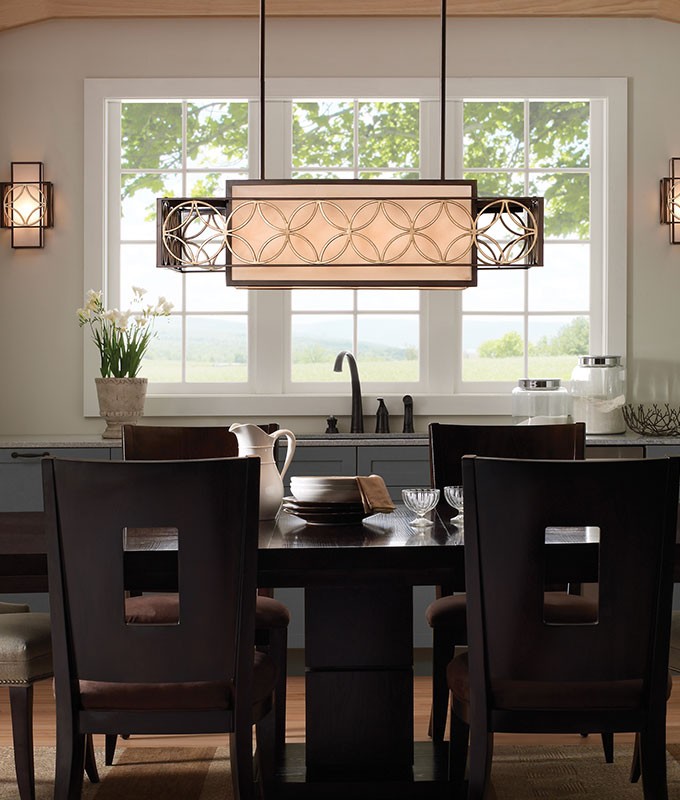
    Remycollectionfeiss
    Achieve this beautifully balanced lighting look with the help of one of our certified lighting experts. Shown: The Remy collection by Feiss.

    1. No Control Over Your Lights
    It may sound simple, but light dimmers, motion sensors, timers and automated systems all help you stay in control of your lighting. When you’re unsure if the room is too dark or too bright, dimmers help you test and easily solve the problem with the perfect middle ground. Moods and uses of rooms change, and so should your lighting. Additionally, having better control of your lights will help you save on energy bills.

    2. Light Fixture is Not the Right Size
    Another common mistake in home lighting design is using the wrong size fixture. For example, when homeowners use too small of a chandelier in the dining room or bulky desk lamps in the living room, everything can seem disproportionate.

    The best way to prevent buying irregular fixtures is by measuring them in the showroom. Eyeballing is tough in showrooms because fixtures tend to look smaller in the larger space of the room. Our professional staff will easily be able to assist you in ensuring you’re picking the right fixture for your space.

    3. Wall Paint Colors Don’t Match the Fixture
    When you try multiple different lighting fixtures in a single room, but still can’t find the right light, it’s likely due to the paint color on your wall. Even though this might seem obvious, slightly different hues in the lighting fixture and the color of paint can do different things. Usually, lighter colors work better with brighter, statement fixtures.

    4. There’s Too Much Furniture in the Room
    While having too much furniture in a room seems like it has little to do with lighting, it actually makes all the difference. In fact, the color and abundance of furniture can dictate the brightness of a fixture by having certain colors or items to bounce off. The more items there are, the more likely it is that your light will create shadows. With fewer items and brighter colored furniture, the light will bounce off efficiently, illuminating the room.

    5. Not Using Energy-efficient Bulbs
    Homeowners are still slowly adopting new LED light bulbs, but these bulbs actually provide you with a better range of light. LEDs work off a larger temperature scale, which allows you to get the perfect color of light.

    Need help with your lighting plans and updates?  Stop in to the showroom, we’ll be happy to walk you through your options.  And if you’ve found something you love online, we’ll match the price! (Exceptions may apply.)

  • Rethinking Your Bathroom Lighting Design

    Rethinking Your Bathroom Lighting Design

    Do you enter your bathroom each morning wishing there was more of a pop to your overall lighting design?  You’re certainly not alone; many homeowners are left uninspired by their bathroom’s look!

    Since the bathroom is likely the spot you use to get ready for your day, the room is an essential part of your morning routine. Bathroom lighting can make or break your mood, helping to kick-start your morning or relax you at night as you wind down.

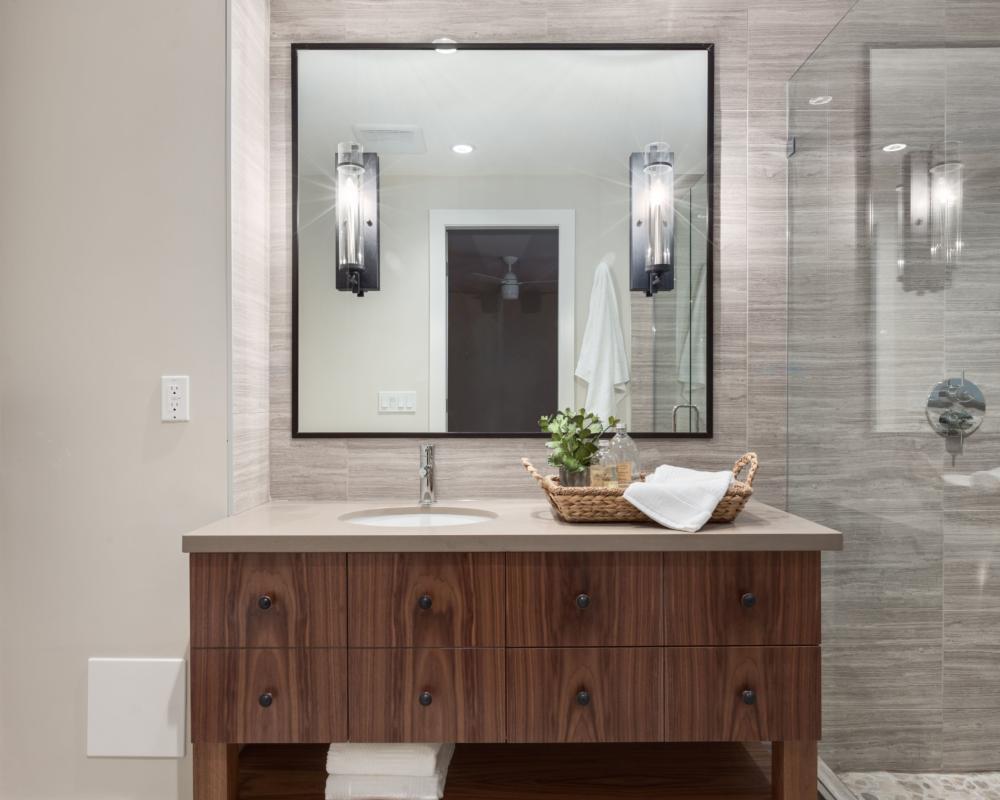
    52-Ethan-WB1560AFBS
    PHOTO CREDIT: SPACE DESIGNED BY SPACE HARMONY INTERIORS INC. WWW.SPACEHARMONY.CA, COLIN PERRY PHOTOGRAPHY


    Where to Start

    With bathroom lighting, you need to first think about the types of lighting fixtures you want to use. Many home designs use recessed LED light fixtures to create directional lighting. This will illuminate your bathroom space efficiently, but with light dimmers, you can control the mood with just a touch of your light switch.

    Additionally, think about your sink and bathroom mirror. This is the area where you do most of your work to get ready in the morning. You need bright and vibrant lighting to ensure you don’t leave home with smeared lipstick or toothpaste in the corner of your mouth.

    Move Away from the Traditional

    If you’re uninspired by your bathroom lighting design, try something completely fresh and new. Instead of standard exposed light bulbs above your bathroom mirror, try adding wall sconces to each side of the mirror. Harsh lights at the top of a mirror can cast shadows that make tasks like shaving or applying makeup more difficult.

    Know Your Colors
    Bathrooms should be calm and relaxing, but not dark enough to put you back to sleep while you’re trying to get ready for the day. Try mixing bright, light paint colors on the wall with darker accents, such as dark wood cabinets or mirror frames. The two contrasting colors will complement one another and lend a unique design to your bathroom.

    If you want more color, implement decorative pieces in the bathroom, such as a framed pictures, brightly colored towels or a shelf holding colorful bathroom knickknacks above the toilet.

    It’s always best to let the accessories shine with bright colors, because you can easily change these items out. However, when investing in new paint or cabinet materials, pick something you know will stand the test of time.

    We offer an extensive collection of bath lighting and would love to answer any questions you might have.  Stop in to the showroom to say hello!

  • 8 Steps to Install a Pendant Lighting Fixture

    8 Steps to Install a Pendant Lighting Fixture

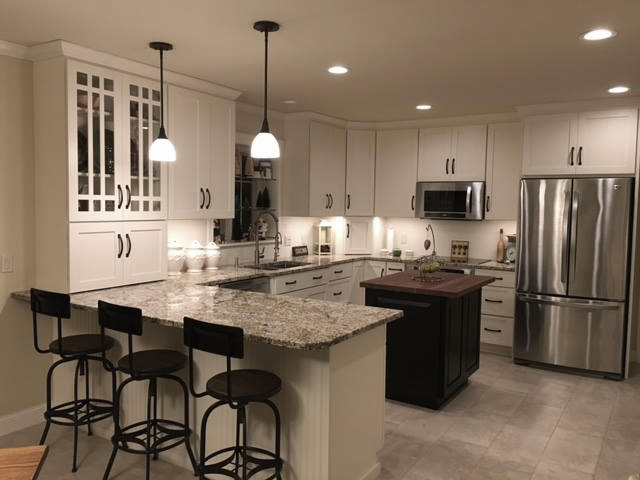
    If you’ve decided to add some elegance to your home lighting design with pendant light fixtures, you might be wondering how to install them. Luckily, pendant lights are not extremely difficult to install, and most avid do-it-yourself people can get it done within an hour or two.

    CLDKitchen

    Here are eight easy steps to install a pendant light fixture:

    1. Cut the Power
    Remember, if you’re not comfortable working with your home’s electrical wires, you should contact a professional for help. However, for those who are up for the challenge, the first thing you need to do is turn off the power through your fuse box to the room you’ll be working in. Always make sure to test the power outlets for a current before you start doing anything.

    2. Take Out Your Old Fixture
    More than likely, you have a ceiling light already in place, and this makes it easy to simply remove the light fixture and base or trim. Once you have an empty hole in the ceiling, you’re ready to put in your new fixture. If you don’t have a ceiling fixture, you will likely want to speak with a professional before cutting into your ceiling.

    3. Check for the Support Beam
    In the hole, you want to make sure there’s a support beam that can hold the pendant light fixture. If not, you’re putting too much weight on your ceiling, which could collapse. If you do not have a beam, you will have to forego the installation process on your own because it could be a building code violation.

    4. Connect the Wires
    Inside the hole where the old light fixture once was should be the wires that were previously connected to the other fixture. You can follow the guidelines on the light fixture’s installation instructions, which usually means connecting black wires to black wires and white to white. You may need to cut and strip the wires to give optimal connection space. Make sure wire connectors hold the two leads together. Your fixture should come with these connectors, but if not, they are available at any hardware store.

    5. Find the Ground Wire
    Before you finish the wiring, it’s critical to find the ground wire, which is usually green or copper colored. Attach the ground wire to the ground screw on the junction box, and tighten the screw to hold it in place.

    Ensure all wires are connected or secured through wire nuts before pushing the wires back into the ceiling.

    6. Add Your Mounting Bracket
    To ensure your pendant will not fall, add the mounting bracket to the support beam. This can be attached with screws, and it’s important to follow the manufacturer’s instructions to set up the light correctly.

    7. Finish Installing the Canopy or Base
    Once you have the support bracket and the wires connected, you want to finish by installing the canopy or base. This piece likely requires screws to hold it in place. Try to set it up like the previous base you removed earlier in this process.

    8. Add a Bulb and Test Your Light
    Once the pendant is able to hang freely, you want to install a light bulb and test the fixture to make sure it works by flipping the fuse box switch back on. If the light does not come on, you need to turn the power off again, and check your wiring, as that is usually the most common problem.

    We have a wide variety of pendant lights available in our showroom!  Stop in and take a look, and remember if you’ve found something that you like online-we’ll match the price!

  • The Three Basic Types of Lighting

    The Three Basic Types of Lighting

    There are three basic types of lighting that work together in your home:

    1. Ambient (general lighting)
    2. Task
    3. Accent

    A good lighting plan combines all three types to light an area according to function and style.

    Progress Lighting Ambient lighting provides an area with overall illumination. Also known as general lighting, it radiates a comfortable level of brightness without glare and allows you to see and walk about safely. In some spaces such as laundry rooms, the ambient lighting also serves as the primary source of task lighting.

    It can be accomplished with chandeliers, ceiling or wall-mounted fixtures, recessed or track lights and with lanterns mounted on the outside of the home. Having a central source of ambient light in all rooms is fundamental to a good lighting plan.

    Philips Lightolier Task lighting helps you perform specific tasks, such as reading, grooming, preparing and cooking food, doing homework, working on hobbies, playing games and balancing your checkbook. It can be provided by recessed and track lighting, pendant lighting and undercabinet lighting, as well as by portable floor and desk lamps.

    Task lighting should be free of distracting glare and shadows and should be bright enough to prevent eye strain.

    Tech Lighting Accent lighting adds drama to a room by creating visual interest. As part of an interior design scheme, it is used to draw the eye to houseplants, paintings, sculptures and other prized possessions. It can also be used to highlight the texture of a brick or stone wall, window treatments or outdoor landscaping.

    To be effective, accent lighting requires as least three times as much light on the focal point as the general lighting surrounding it.

    Accent lighting is usually provided by recessed and track lighting or wall-mounted picture lights.

  • Create the Perfect Workspace In Your Home

    Create the Perfect Workspace In Your Home

    This is the time of year when we make resolutions like “create a budget,” or “get those photos into a book once and for all.” These are organizational tasks that would be easier to stick to if you had an inviting workspace in your home. Here’s how to do it!

    Young business woman calculates tax at desk in office
    Get a jump on the new year with a well lit workspace!

    1. Reduce Outside Communication
    If you need to get work done, you don’t want to go to public spaces such as coffee shops or libraries. If you do this, you run the risk of being distracted. Your work time could be significantly affected if you run into a friend while out. Limit all sources of communication and try your best to disconnect yourself from social media and your phone.

    2. Use Natural Light
    Your basic lighting design is critical to your workspace. If you work in a dark space, you’re likely to get exhausted or give up before you’re done. Allow plenty of natural light to come into your home and workspace.

    3. Implement Artificial Light
    Whether your workspace cannot receive natural light or you need to work at night, you still should use appropriate lighting. For your work area, it’s smart to use a task lighting fixture near your desk or primary workspace. On the other hand, you don’t want the light directly faced in your eyesight. This can strain your eyes and make it difficult to focus. Fixtures such as a swinging arm wall light or a bendable table lamp are perfect solutions that allow you to adjust the light’s direction.

    Additionally, you want to use the correct amount of ambient lighting in the room. You want to stay away from using a single light in a completely dark room. This also strains your eyes and makes it harder for you to read. Instead, make sure your ambient light fixture hangs appropriately to cast enough brightness for the entire room.

    Come see us at our showroom to check out the many options for the above mentioned fixtures.  We have decades of knowledge to share and would love to help you bring light into your workspace.